Now Available Nationwide
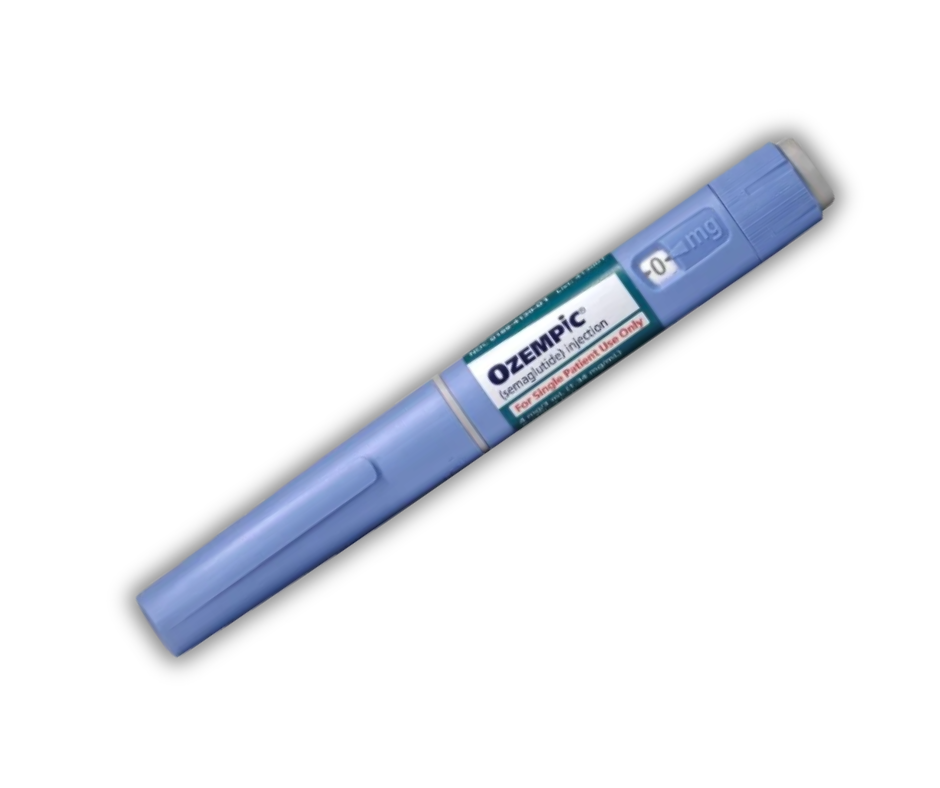
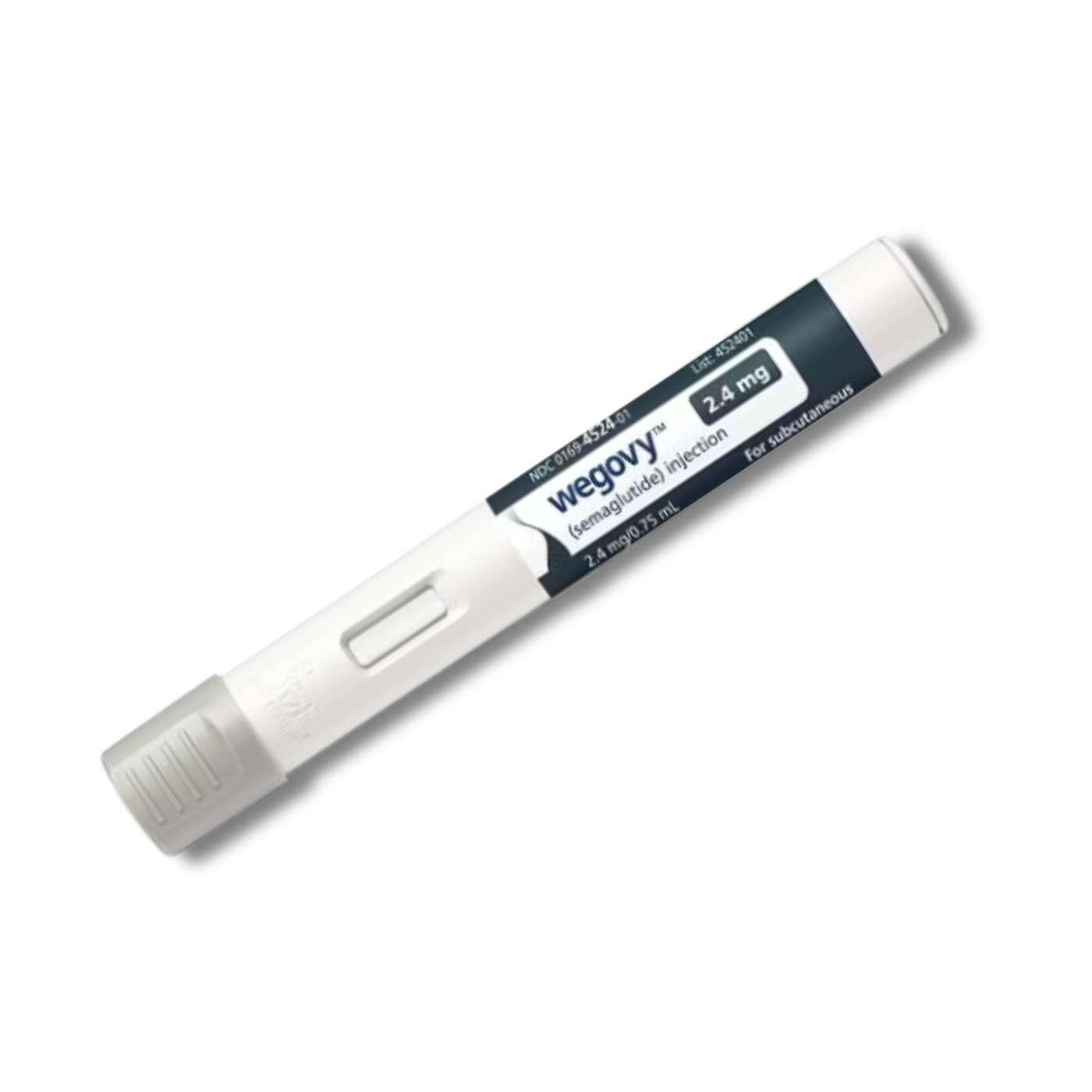
Get Doctor Prescribed Semaglutide, Ozempic, Mounjaro, or Wegovy Sent Directly To You*
Join the weight loss revolution and take control of your health today!
Why Choose Get Thin MD?
- 24/7 Access to Our Comprehensive Network of U.S.A based Medical Doctors!
- Get Semaglutide or Tirzepatide From U.S.A. based Pharmacies!
- FDA Approved Medications Ozempic®, Wegovy®, and Mounjaro® Also Available
- No Insurance Needed, No Bloodwork, No Doctor Appointments, and No Hidden Fees
- Medication Shipped In Days - Not Weeks!
- Lose Up To 1.5% of Your Body Fat Per Week*
- 24/7 Access to Our Extensive Network of U.S.A based Medical Doctors!
- Get Semaglutide or Tirzepatide From U.S.A. based Pharmacies!
- FDA Approved Medications Ozempic®, Wegovy®, and Mounjaro® Also Available
- No Insurance Needed, No Bloodwork, No Doctor Appointments, And No Hidden Fees
- Medication Shipped In Days - Not Weeks!



See How Much Weight You Can Lose
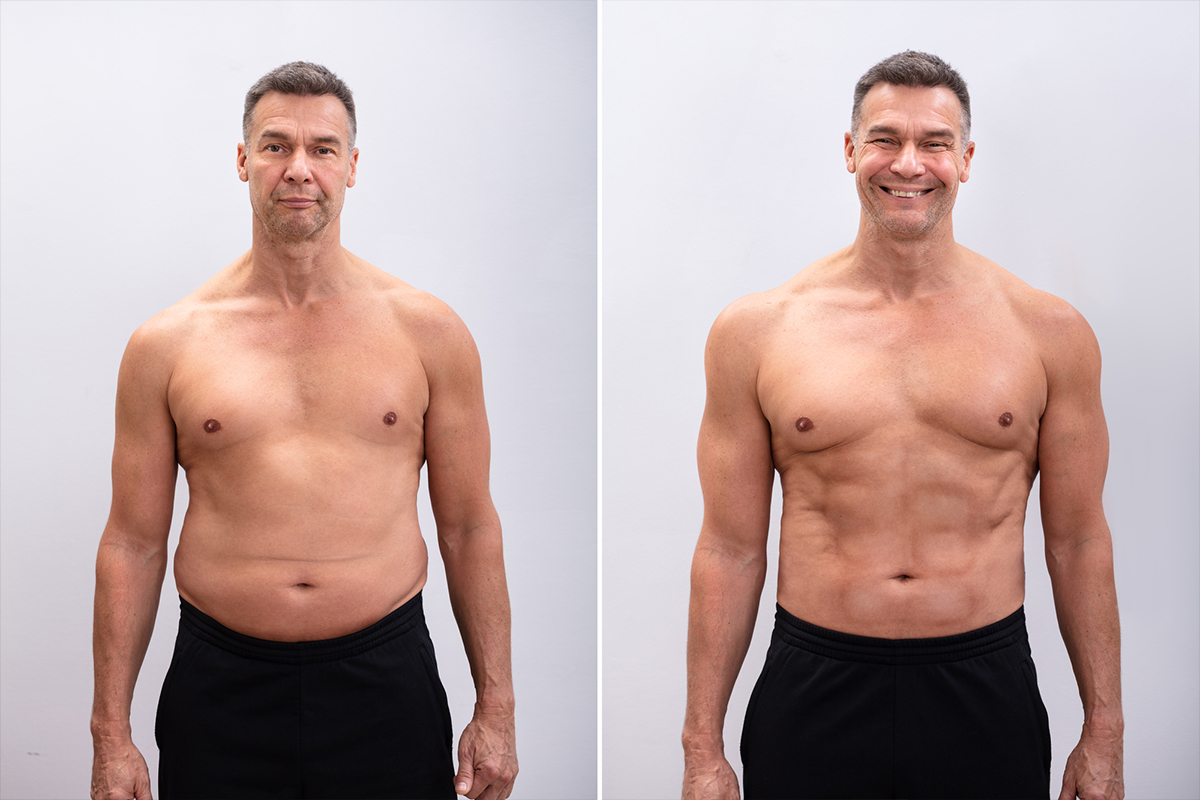
You can lose up to 15% of your weight in the first year*.
* Results may vary.
* Results may vary.
How It Works
Get Started
Choose Your Medication
Select your weightloss medication such as Wegovy, Semagltuide and other GLP-1s like Ozempic and Mounjaro.
Medical Intake Form
Complete a simple online intake form. One of our licensed US medical doctors (M.D.) will review to ensure you’re a candidate.
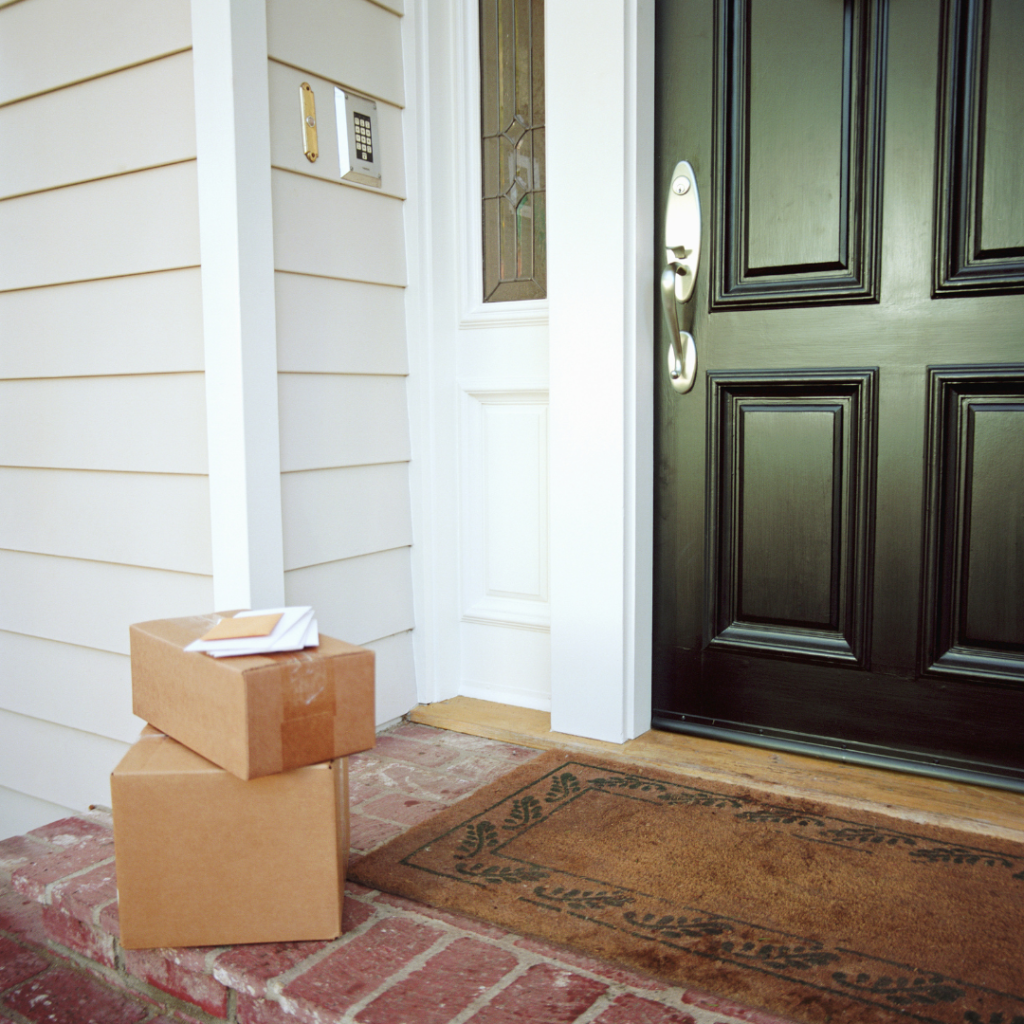
Fast Delivery
When approved, your prescription is sent to the pharmacy and shipped to your door with everything you need included within 48-72 hours!
Get Thin MD:
A Proven Track Record You Can Trust
At Inspired Peptides we always put the health, safety, and comfort of our patients first.
We started out serving patients in the Greater Atlanta area and have now grown into a nationwide industry leader. Our mission is to provide patients with affordable and discreet access to revolutionary weight loss treatments like Semaglutide, Ozempic, Mounjaro, and Wegovy in the most convenient way possible. After filling out a medical intake form (which takes about 5 minutes) one of our licensed and U.S.-Based Medical Doctors will review your information to confirm if you qualify. If you do, your order will then be shipped to your door in 48-72 hours.
Prescription Weight Loss at Your Fingertips


Join The Thousands Seeing Real Results





How Does GLP-1 Medication Work?
GLP-1 (Glucagon-like peptide-1) medications are a class of drugs used primarily to treat type 2 diabetes, but are now approved for use in weight management.
GLP-1 is a natural hormone produced by the intestines in response to food intake, and it plays a crucial role in regulating blood sugar levels. GLP-1 medications mimic the effects of this hormone, interacting with parts of the brain that reduce appetite and signal feeling full. Naturally decrease appetite and cravings to kickstart your weight loss journey!

Why Choose Get Thin MD?
- Direct access to the most effective and in-demand medical weight loss solutions available today
- Medically supervised by top licensed, US based physicians
- 100% Online. Skip the doctor’s office, the pharmacy and the stress
- 24/7 access and one-on-one support from our licensed Medical Doctors
- Free shipping with discreet packaging to all 50 states
- Bloodwork not required but recommended
- No insurance required
- No hidden fees
Join the tens of thousands of people who are on a path to a healthier, happier lifestyle. Let Get Thin MD help you get there!
Get Started
Frequently Asked Questions


Working Hours
M-F: 9am-9pm EST,
Sat-Sun: 11am-7:30pm EST


